When is it Time to Consider a Care Home in Birkenhead?
The right time to consider a care home is different for every person. Some older adults require additional support due to a decline in health, while others are simply struggling to live independently and handle their daily chores. What matters most is whether the individual is still safe and receiving the level of care they need in their own home.
Moving into a care home is a big decision because it often affects the whole family. However, looking for the signs early can help care seekers make informed decisions with more confidence. In this blog, we will explore the key signs that suggest a care home in Birkenhead would be needed and how families can find the right one for their loved ones.
What Does a Care Home Provide?
A care home in Birkenhead can provide both personal care and medical care, depending on the type of service offered. Some care homes mainly focus on residential care, while others also provide nursing care, dementia care and palliative care. The right setting depends on the person’s care needs and how much day-to-day support they require.
For those who require support with personal care, this may include help with washing, dressing, meals, medication management and mobility. For people with more complex health needs, nursing homes can also offer support from qualified nurses who are trained to promptly respond to changes and offer 24-hour health monitoring. This can make a real difference when home life has become difficult to manage safely.
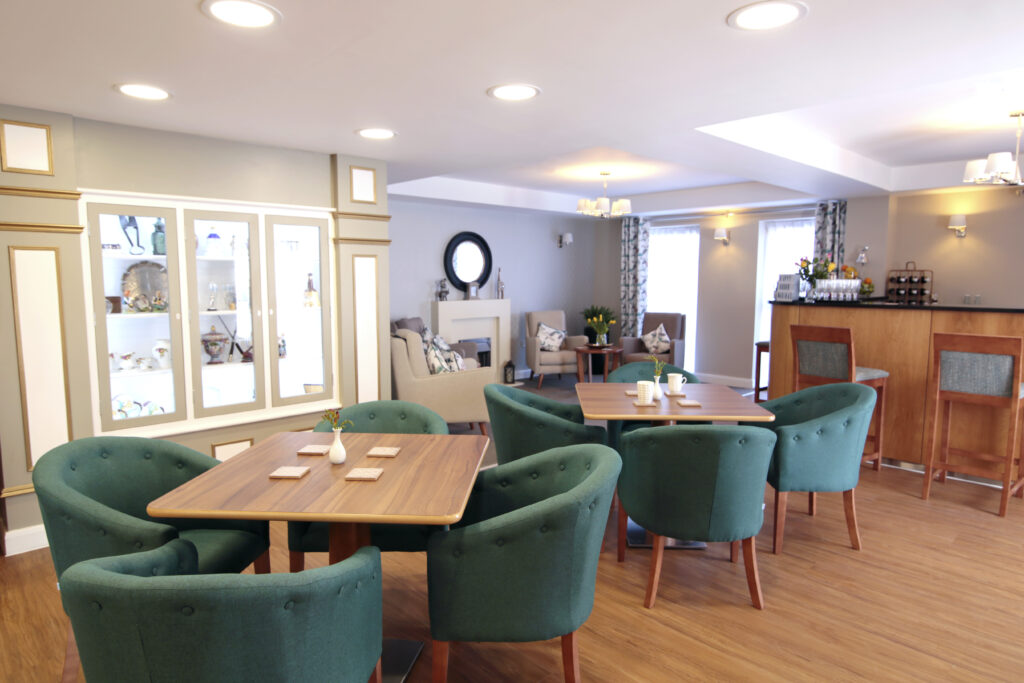
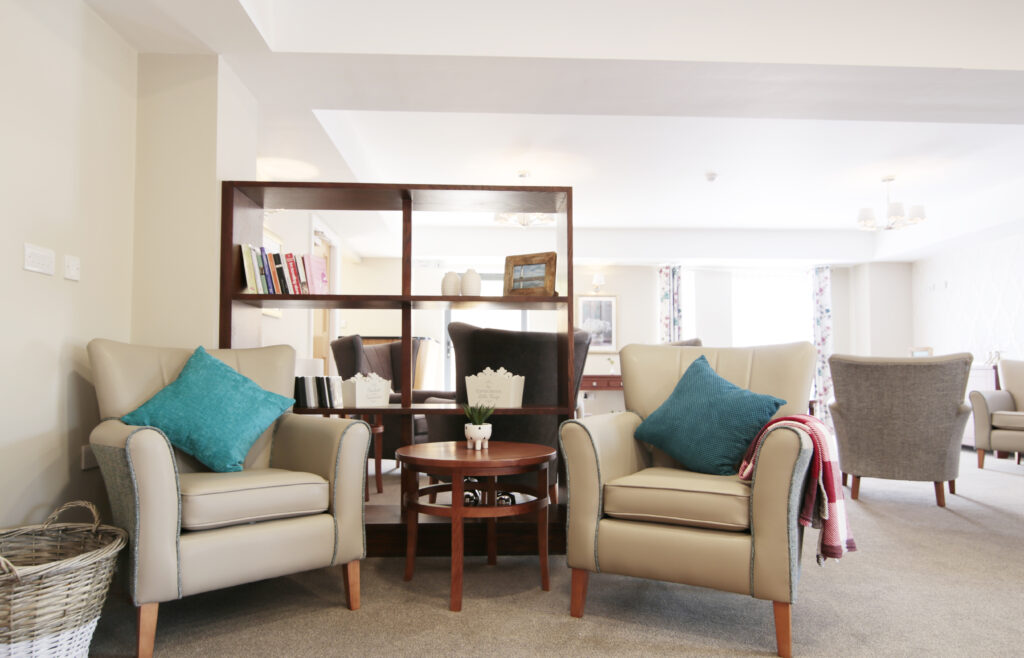
A care home can also offer structure, companionship and an environment that feels like home. For many residents, that combination of care and routine brings reassurance as well as practical support.
Signs it is Time to Consider a Care Home
Daily Tasks Are Becoming Too Challenging
One of the clearest signs is when daily tasks begin to feel too much trouble for your loved one to manage. This may include washing, dressing, preparing meals, or moving safely around the house. If an individual is struggling with these everyday activities, it can affect both their physical health and overall quality of life.
Families often notice these changes gradually. A loved one may stop cooking proper meals, wear the same clothes repeatedly, or seem unable to keep on top of their basic routines. These signs may suggest that more support is needed than can realistically be provided at home.
Safety Concerns
Another important sign is a growing safety concern. Increased falls, confusion, getting lost, or difficulty using stairs can all indicate that a person is no longer managing safely in their own home. Others may also be experiencing isolation or loneliness, which can lead to a decline in their overall health.
Sometimes the issue is not one major event, but a pattern of small risks. Unopened letters, forgotten meals, missed medication, or trouble with specialist equipment can all show that someone needs more support than they are currently receiving. A care home in Birkenhead can offer a safer and more stable option, as there are trained health professionals on hand around the clock to support them with their needs.
Health or Cognitive Needs Are Changing
A move to a care home is often considered when health or cognitive decline leads to a need for higher levels of assistance. This can include dementia, ongoing nursing needs, or health issues that are difficult to manage at home. If someone needs continuous support, especially after a stay in a hospital, nursing homes can provide a more suitable environment.
Dementia care is especially important when memory loss, confusion, mood changes, or disorientation begin to affect everyday life. In these situations, family members may notice that their loved one is becoming less able to cope with familiar routines or more likely to need guidance throughout the day. Carers and nurses in a care home are specially trained to support those living with dementia and focus on creating familiarity and an environment where they can thrive.
Caregiver Burnout
Caring for a loved one can be deeply rewarding, but it can also become physically and emotionally exhausting over time. Caregiver burnout is a sign that the pressure of daily caring is beginning to take its toll, and it may show itself through fatigue, disrupted sleep, irritability, loss of interest in usual activities, or feeling overwhelmed by everyday responsibilities. When this happens, it is important to recognise that the strain affects both the caregiver and the quality of support they can give.
It may be time to consider a care home in Birkenhead when caring starts to feel unmanageable or begins to affect a family member’s own health and well-being. A move into care can provide professional support for the resident while also easing the pressure on the family, giving everyone more space to rest and just focus on creating cherished memories while the care team take care of the rest.
Short-Term Support Options
Not every situation requires an immediate permanent move. Respite care in Birkenhead can be a helpful short-term option if the family needs a break, if a carer is unwell, or if your loved one is recovering after a hospital stay. It can also give families time to trial care home life before making a longer-term decision.
This kind of stay can be useful because it allows everyone to see what care home life feels like and if it would be the right place for them to call home permanently. Respite residents receive the same level of assistance and access to the same facilities as long-term residents, so families can rest assured that their loved one is being cared for to the highest degree.
How to Choose The Right Care Home or Nursing Home in Birkenhead?
When you begin to look for care homes in Birkenhead, it is extremely beneficial to visit a few homes and ask questions in person. Seeing the bedrooms, facilities and homely environment for yourself can make the decision feel much clearer. It also gives you a chance to speak with the home manager and carers about how they support residents with different care needs.
A visit can give you valuable insight into how a care home works day to day. You may want to understand how personal care is delivered, how the admission process works, if they cater to certain dietary requirements and how residents are encouraged to stay involved in daily activities. These conversations can help you decide whether the home feels like the right place for your loved one.
It is also beneficial to ask about care plans and how the home responds when needs change. The best care home will be supportive and willing to explain everything clearly so that families can make informed decisions without feeling rushed.

We’re Here to Support You at Marine View Lodge Care Home
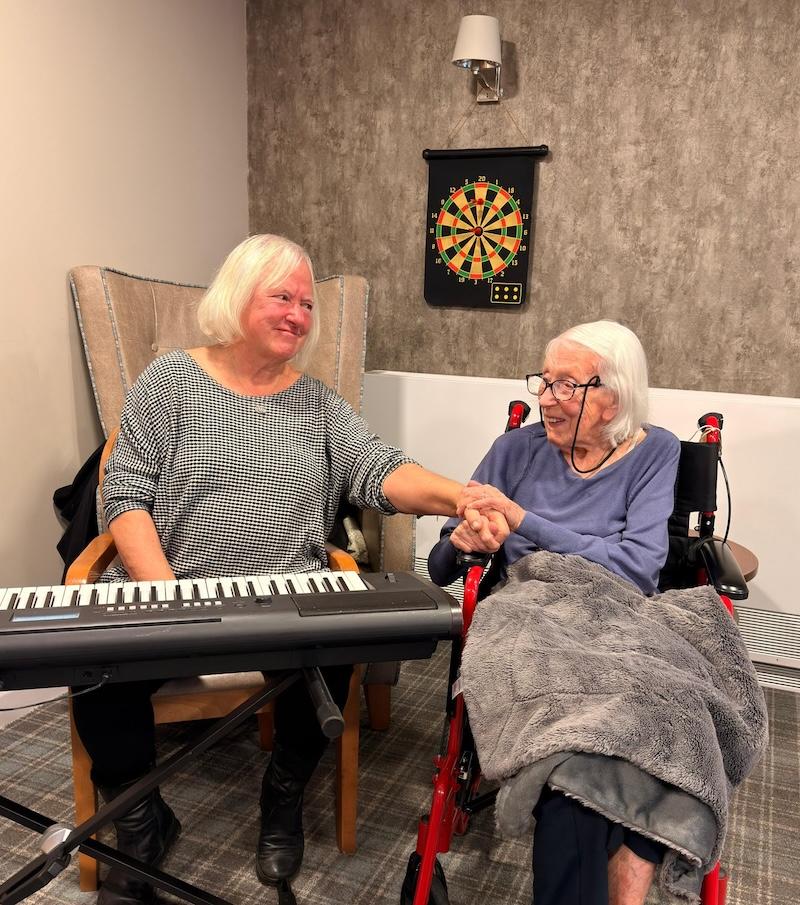
At Marine View Lodge Care Home, we understand that deciding when to move into a care home is a deeply personal choice. We are proud to offer dementia nursing care, nursing care, and respite care in a homely environment, providing residents with everything they need around the clock.
For families who are noticing changes in a loved one’s health, cognitive abilities, or independence levels, we are here to support you every step of the way. Each of our residents receives a personalised care plan that outlines their entire life history, current needs and daily preferences that follow them throughout their journey and is adapted as needs change.
For those who are exploring care homes as a future option for themselves or their loved ones, we invite you to book a tour with us at Marine View Lodge. We would love to meet you and show you first-hand what makes us a trusted care home in Birkenhead.