The Differences Between Care Homes and Home Care
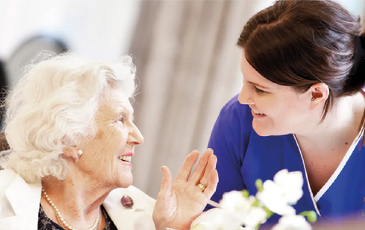
Choosing the right type of care is a significant decision for any individual or family. It often begins with consideration of where the care should be provided and two of the most common options are home care or care homes. Both options can offer safe, high-quality care, yet they do so in very different ways. Understanding these differences can help you make an informed decision that feels right for your loved one and your family.
This blog outlines the key differences between care homes and home care, looking at the setting, level of support, healthcare input and impact on daily life to provide you with a better understanding.
What Are Home Care Services?
Home care provides support for someone who wishes to remain in their own home. Care assistants or other care professionals visit for agreed periods, which may be a few hours a week, once or twice a day, or in some cases multiple times throughout the day and night.
Home care services are tailored to personal needs and can include help with personal care, meal preparation, mobility assistance, taking medication and support with day-to-day tasks such as light household chores. For many people, home care helps them maintain their routines and enjoy the comfort of a family home while still receiving the care and support they require to manage daily life.
What is a Care Home?
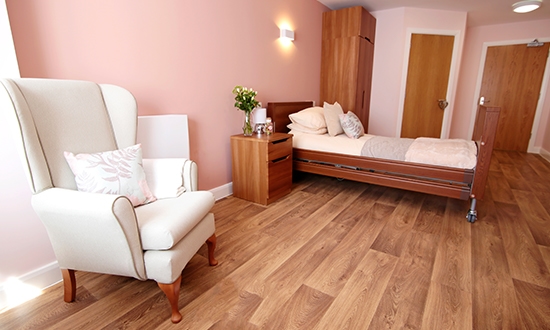
A care home is an environment where people live and receive round-the-clock care and support. Residents have their own bedroom and access to shared areas such as lounges and dining rooms, and they benefit from a structured environment led by an experienced team. Care homes offer a safe place for older people and those with complex health needs who require assistance throughout the day and night.
There are different types of care homes. Residential homes focus on personal care and low-level daily support, while nursing homes and dual-registered care homes providing nursing care offer additional medical support from registered nurses and other healthcare professionals. In these settings, residents with higher-level health needs, dementia, or a complex medical condition receive comprehensive care that includes personal care, medical attention and emotional support.
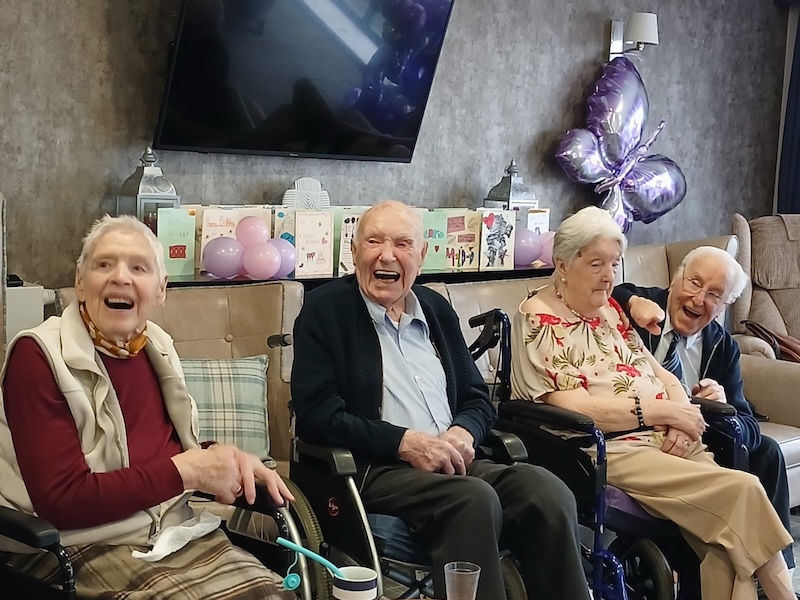
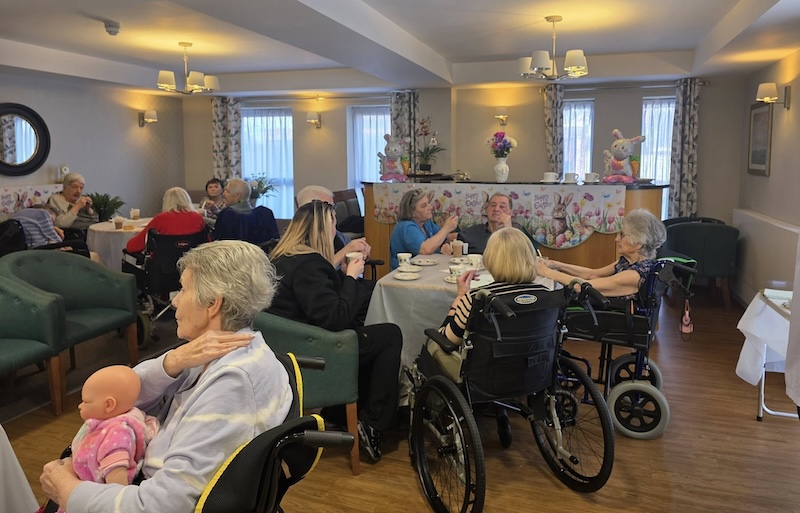
Many care homes in Wallasey offer social events, meaningful daily activities and opportunities for social interaction with other residents, all within a supportive environment that is designed to enhance their quality of life.
The Differences Between Care Homes and Home Care
Setting and Daily Environment
One of the key differences between care homes and home care is the setting. With home care, the person remains in their own home and continues to live in a familiar environment. Everyday life carries on in the same space, with care services fitting around established routines. This can be particularly important for someone with strong ties to their family home, or who regularly leaves their home to see friends or local community groups.
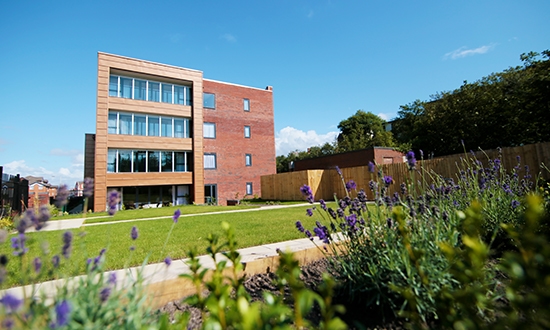
In a care home in Wallasey, the residential setting is shared with other residents and staff, with bedrooms, communal areas and outdoor spaces managed by the home. This creates a more structured environment, where daily life follows a consistent rhythm of meals, activities and rest. For some people, communal living brings reassurance, companionship and a sense of security that may be harder to achieve when living alone at home.
Level of Care and Medical Support
Another important difference between care homes and home care lies in the level of care and medical support available. Home care services can provide valuable assistance with personal care, medication prompts, and day-to-day tasks, but support is usually delivered in visits rather than continuously. Even with live-in care, specialist medical services may still involve separate visits from healthcare professionals.
Care homes, especially those registered to provide nursing care or dementia care, can offer round-the-clock support and medical attention. Registered nurses and trained teams are on site to respond quickly to changing health needs, provide complex health support and liaise with external medical services. For someone with complex medical needs or advanced health conditions, the specialist care available in a nursing home may be more appropriate than visiting care alone.
Social Interaction and Emotional Support
Social interaction differs greatly between home care and care homes in Wallasey. With home care, contact may be mainly with visiting care assistants and family members. Some people are content with this level of contact, especially if they value privacy or are closely involved in local community activities outside the home.
Care homes offer daily opportunities for social interaction with other residents and staff, as well as organised social events and activities. Group mealtimes, shared lounges and regular activities can support emotional well-being by reducing loneliness and helping residents build friendships. For a loved one who is becoming isolated at home, the social side of a care home can be an important benefit.
Consistency and Reliability of Support
Home care can be very flexible, with support packages designed around the person’s lifestyle. However, the nature of visiting care means that support is not always continuous. If someone begins to require assistance at unpredictable times or needs constant care, home care may become more difficult to manage safely.
Care homes offer 24-hour care and support, ensuring there is always someone available to help, day or night. This can be particularly reassuring for family members if a loved one is prone to falls, is living with cognitive impairment, or could experience sudden changes in health. The reliable care offered in a care or nursing home can reduce worry and provide a clear, consistent framework for managing complex health needs.
Impact on Family Members
The difference between care homes and home care also extends to how family members experience their caring role. With home care, family members often remain closely involved in coordinating appointments, managing the home, and filling gaps between visits. This can be rewarding but may also become demanding over time.
When someone moves into a care home, professional support takes on more of the daily responsibility. Families can then focus on maintaining their relationship with their loved one through visits and shared time, rather than managing every element of their care.
Making the Right Choice For Your Loved One
Choosing between home care and a care home in Birkenhead is a personal decision that should reflect health needs and personal preferences. It can help to start with an open conversation about what feels important to the individual, such as staying in the family home, access to medical support, or the desire for more social interaction.
Thorough research is essential. If you are considering different services, take the time to look them up online, look at their reviews on carehome.co.uk, homecare.co.uk or Google and check out their websites. This can help you understand the quality of care provided and the unique amenities of each company or home.
Booking in-person tours is also very important. Visiting a care home or doing home care trial runs allows you to see how staff interact with residents and experience the environment first-hand. This allows you to also ask any questions regarding care plans, medical support and daily activities.
Ultimately, the right choice is the one that offers safe, reliable care and feels right for your loved one and your family as a whole.
Receive Exceptional Support Tailored to Your Needs at Marine View Lodge
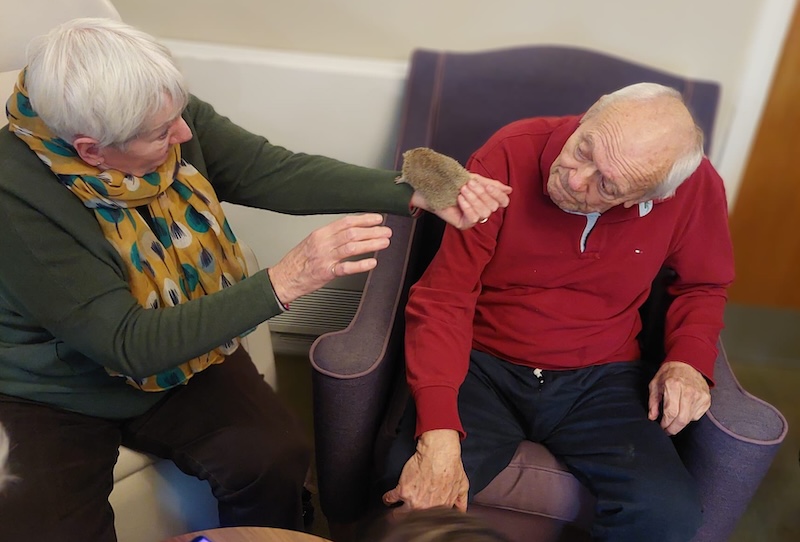
At Marine View Lodge Care Home in Wallasey, we specialise in providing high-quality nursing care, dementia nursing care, and respite care within a warm and professional setting. Residents benefit from 24/7 support, personalised care plans, a full calendar of activities and an experienced team who understand complex health needs and the importance of enhancing emotional well-being.
Our home offers comfortable bedrooms, inviting communal areas, landscaped gardens, a hair salon, a celebration room and a structured environment where residents are supported with their every need. Families are encouraged to visit regularly and continue to create cherished memories with their loved ones while receiving clear communication regarding any health changes.
From the moment residents move in, we go above and beyond to ensure they feel at home. All residents are encouraged to personalise their room with ornaments or photos of loved ones to replicate their familiar surroundings at home.
For those who feel that home care or independent living may no longer provide enough support, Marine View Lodge offers a safe environment, combining professional support with a homely atmosphere. To learn more about our New Brighton care home or to see first-hand how we can support you or your loved ones, book a tour.